


Qué materiales se utilizan en los ambientadores de papel? Una guía completa
Los ambientadores de papel pueden parecer sencillos, Pero detrás de cada producto hay una combinación de materiales cuidadosamente seleccionados que determinan su rendimiento en el aroma, Durabilidad, y calidad general.
Comprender estos materiales puede ayudarte a elegir mejores productos o a crear ambientadores personalizados de alta calidad para tu marca.
1. Resumen: Por qué importan los materiales
Los materiales utilizados en un ambientador de papel afectan directamente:
- Absorción y liberación de fragancias
- Longevidad (cuánto dura el aroma)
- Calidad de impresión y apariencia
- Impacto ambiental
Un ambientador de alta calidad no es solo una fragancia, sino una cuestión de fragancia Ingeniería de materiales + Tecnología de olfatos + Diseño.
2. La estructura central: Diseño de tres capas
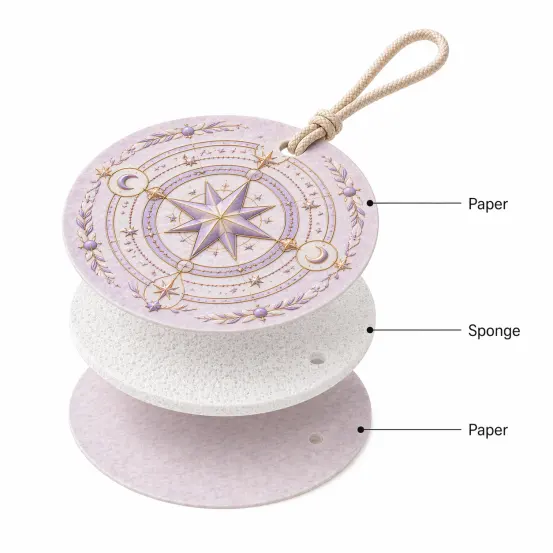
La mayoría de los ambientadores de papel premium utilizan un Estructura "sándwich" de tres capas:
- Capa superior: Papel impreso
- Capa media: Núcleo de absorción
- Capa inferior: Papel protector
Estructura: Papel + Esponja + Papel
Beneficios:
- Fuerte absorción de fragancias
- Incluso difusión de olor
- Rendimiento duradero (2–4 semanas o más)
2. Capas de papel impreso
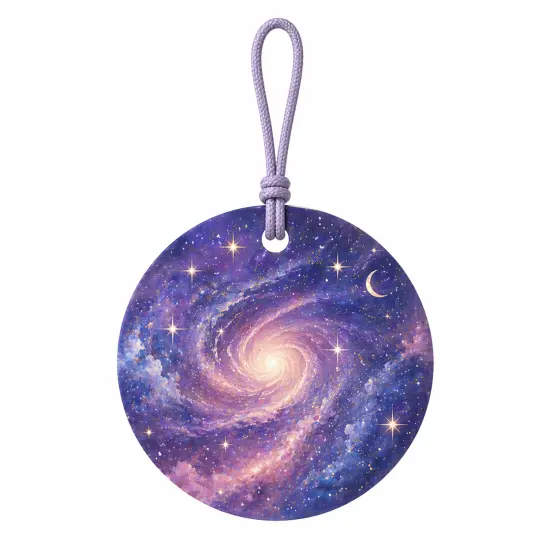
Las capas exteriores suelen estar hechas de Papel de alta calidad, recubierto o sin recubrimiento,.
Características principales:
- Superficie lisa para impresión
- Buena absorción de tinta
- Soporta procesos de acabado (florete, UV, Relieve)
Por qué es importante:
- Determina la calidad visual
- Afecta a la presentación de la marca
- Mejora el valor percibido
3. Materiales de núcleo absorbente
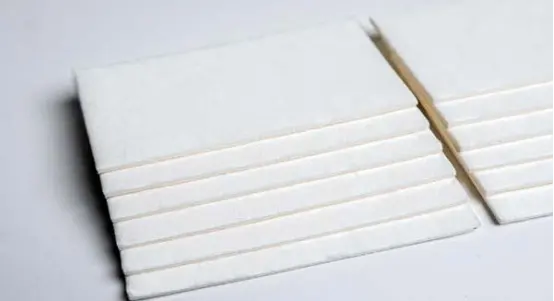
La capa intermedia es la parte más importante: contiene y libera la fragancia.
Materiales comunes:
1. Papel esponja (Los más populares)
- Alta capacidad de absorción
- Incluso la liberación de fragancias
- Rentable
2. Núcleo de fibra de algodón
- Opción de material natural
- Textura suave
- Buena retención de olor
3. Fibras Absorbentes Especiales
- Retención mejorada de aceite
- Fragancia de mayor duración
- Utilizados en productos premium
4. Aceites fragantes

La fragancia es el alma de un ambientador.
Tipos de aceites fragantes:
- Aceites sintéticos de fragancia (estable y constante)
- Aceites esenciales naturales (Más premium pero más caro)
- Fragancias de grado perfume mezclado
Factores clave:
- La calidad determina la experiencia de aroma
- Mejores aceites = más suaves, olor no irritante
- Cumplimiento de las normas (P ej.., IFRA) Garantiza la seguridad
5. Tintas de impresión & Materiales de acabado
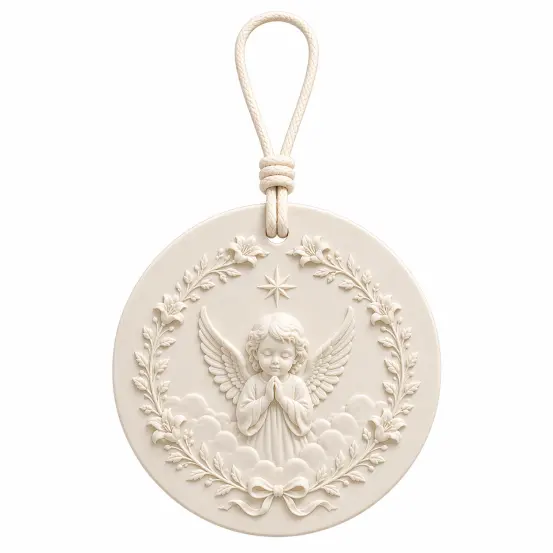
Para lograr un aspecto premium, Se utilizan materiales adicionales:
- Tintas ecológicas
- Recubrimiento UV
- Laminación mate o brillante
- Estampado en caliente (Lámina de oro/plata)
Estos potencian ambos Atractivo visual y durabilidad del producto.
7. Materiales de embalaje
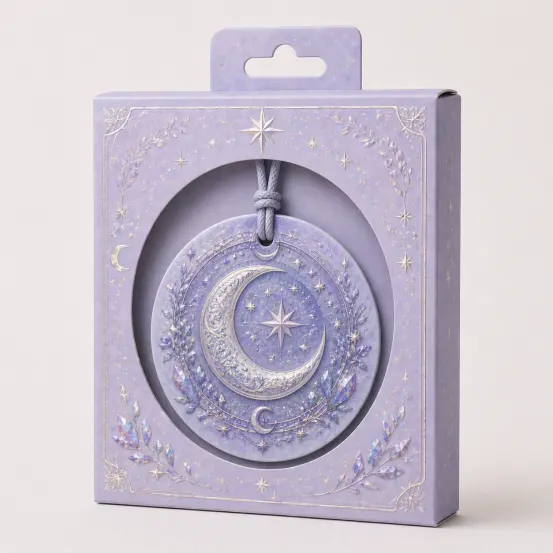
El envase desempeña un papel fundamental en la protección de la fragancia.
Opciones comunes:
- Bolsas de plástico herméticas (preservar el aroma)
- Embalaje de la tarjeta de cabecera
- Vitrinas comerciales
- Embalaje de cajas regalo
Por qué es importante:
- Previene la pérdida de olor antes de usarlo
- Mejora la presentación del producto
- Apoya la imagen de marca y la exhibición en el comercio minorista
8. Materiales de cuerdas colgantes
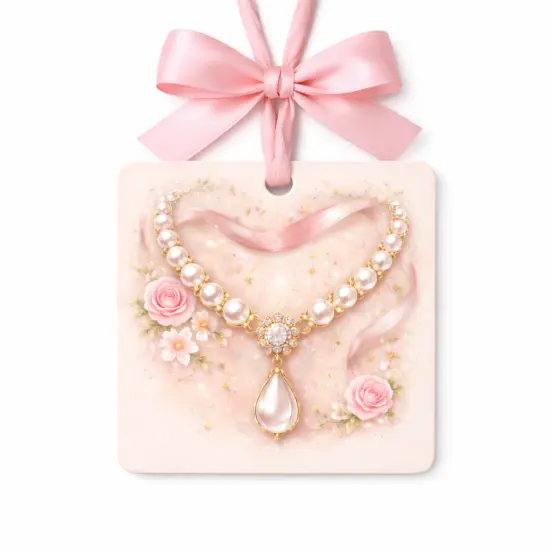
El hilo colgante es un detalle pequeño pero importante.
Opciones comunes:
- Cuerda de algodón
- Cordón elástico
- Cinta (Aspecto premium)
Muchos diseños modernos evitan las piezas metálicas para un aspecto más limpio y ecológico.
9. Consideraciones medioambientales
La sostenibilidad está cobrando cada vez más importancia en la producción de ambientadores.
Las tendencias incluyen:
- Materiales de papel reciclables
- Tintas ecológicas
- Envases plásticos reducidos
- Componentes biodegradables
Las marcas eligen cada vez más materiales que equilibran Desempeño y responsabilidad medioambiental.
10. Conclusión
Los ambientadores de papel son mucho más que simples productos perfumados: están construidos con una combinación de materiales cuidadosamente seleccionados que influyen en el rendimiento de las fragancias, Durabilidad, y calidad de diseño.
Comprendiendo estos materiales, Puedes tomar mejores decisiones al seleccionar o personalizar ambientadores para tu marca.
Preguntas frecuentes
Q1: ¿Cuál es el material más importante en un ambientador??
Un: El núcleo absorbente, ya que afecta directamente al rendimiento y la durabilidad del aroma.
P2: ¿Cuánto dura el aroma??
Un: Normalmente entre 2 y 4 semanas, dependiendo de los materiales y el entorno.
P3: ¿Existen materiales ecológicos disponibles??
Un: Sí, incluyendo papel reciclable y opciones de embalaje sostenible.
P4: ¿Se pueden personalizar los materiales??
Un: Sí, incluyendo el tipo de papel, Material del núcleo, fragancia, y embalaje.


- Papel ambientador de coche de marca
- Ambientador de coche con aroma fresco
- Ambientador de coche de aroma fuerte
- Ambientador de fragancias para coches
- potenciador de aroma del interior del coche
- Ambientador para coche para mal olor
- Ambientadores perfumados para coches
- Ambientadores de papel personalizados en pequeñas cantidades
- ambientadores de papel personalizados con logotipo
- ambientadores de papel impresos con el logo
- ambientadores de papel para habitaciones de hotel
- Ambientadores personalizados
- Ambientador de papel OEM
- Ambientador de regalo magnético
- Papel eliminador de olores para humo
- ambientador ecológico de papel
- Ambientadores de papel
- Fragancia de coche
- Fragancia ecológica
- Embalaje sostenible
- Respuesta rápida
- Promociones ecológicas
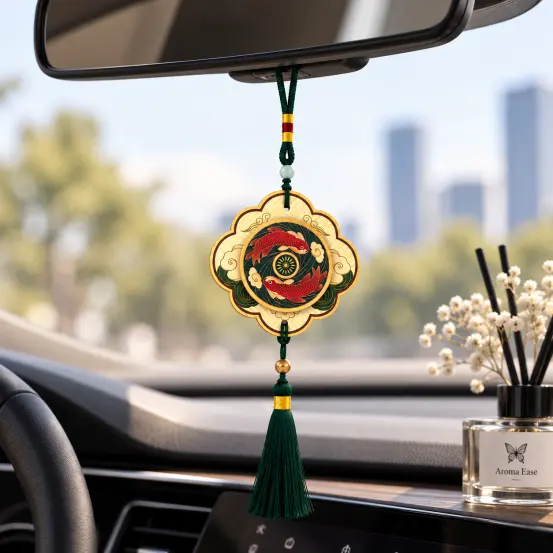
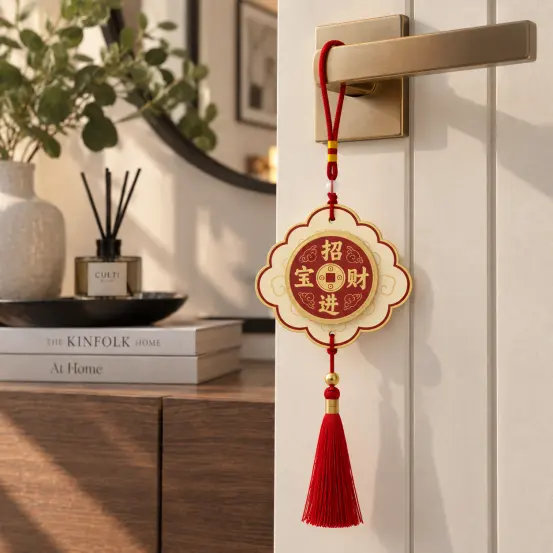
Da vida a tu marca con ambientadores de papel personalizados.
- Materiales ecológicos
- Diseños personalizados
- Fragancia duradera
- Respuesta rápida
- Impresión de alta calidad
- Precios competitivos
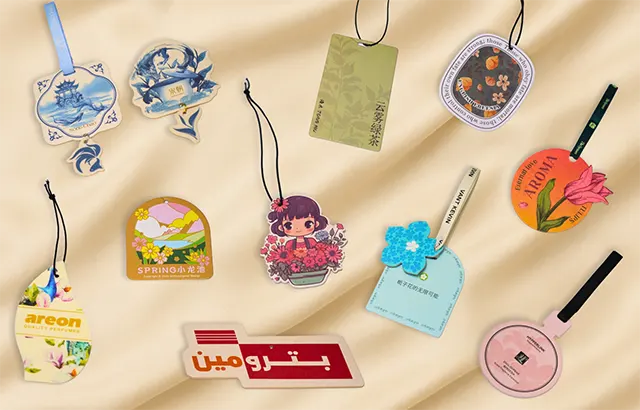

MUESTRA GRATIS