


El arte de crear fragancias: Guía para principiantes sobre la mezcla de perfumes
¿Qué es la perfumería??
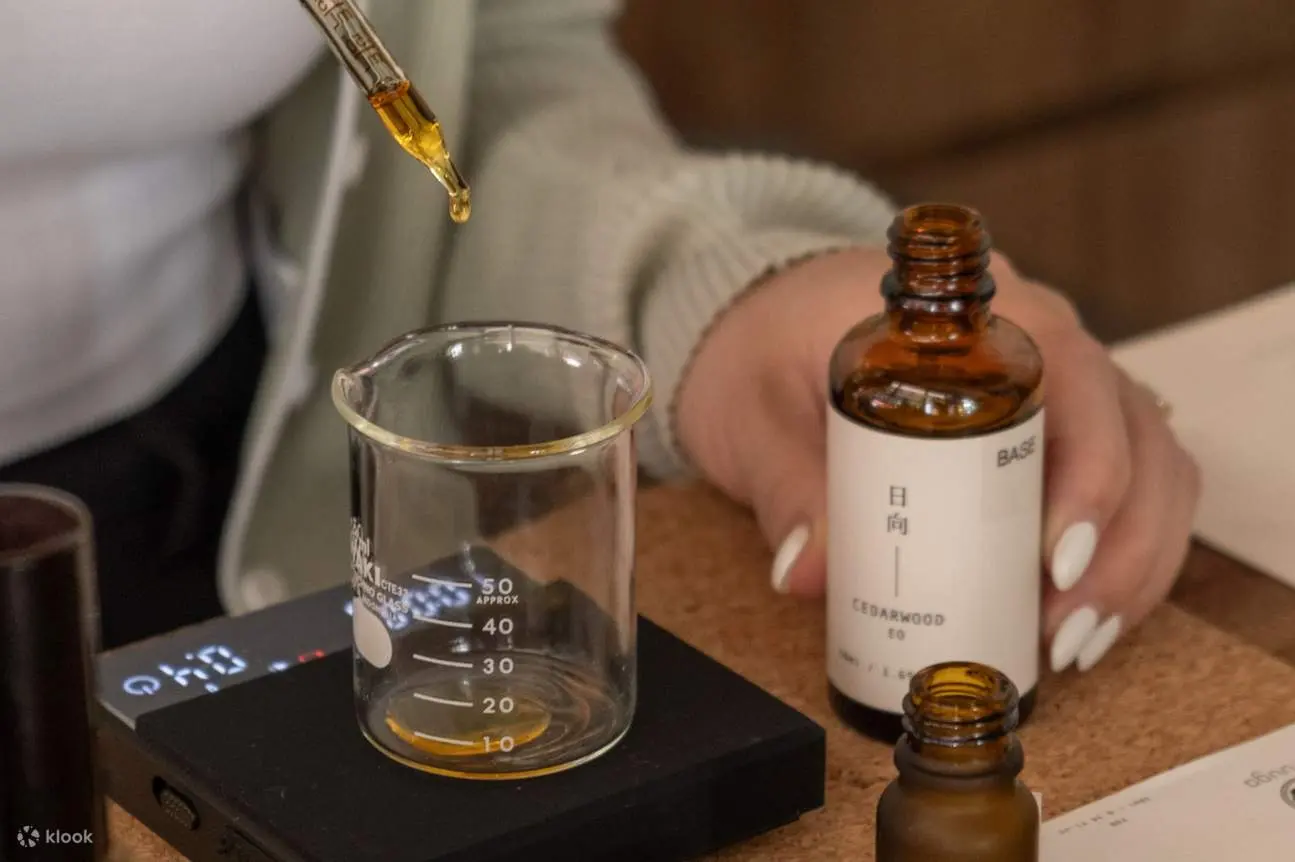
La perfumería es el arte y la ciencia de crear fragancias mezclando ingredientes naturales y sintéticos. Desde perfumes de lujo hasta productos cotidianos como ambientadores de papel, La fragancia desempeña un papel fundamental en la configuración de la emoción y el entorno humanos.
En el mercado actual, El aroma ya no es solo una característica del producto—es una Herramienta de identidad de marca Ampliamente utilizado en el comercio minorista, automotor, y aplicaciones en fragancias para el hogar.
Comprendiendo la estructura de las fragancias: Arriba, Medio, y Notas de base
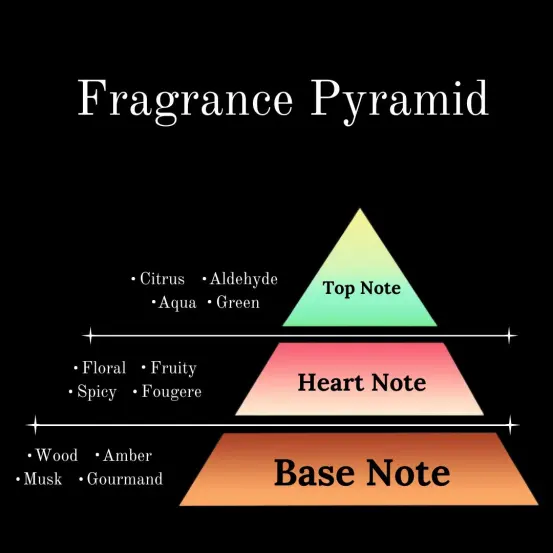
Cada fragancia se construye en capas, comúnmente conocida como la Pirámide de fragancias:
Notas Principales (Primera impresión)
- Aromas ligeros y frescos
- Ejemplos: cítricos, como, Té verde
- Tiempo de evaporación: 5–15 minutos
Notas centrales (Corazón de la fragancia)
- Define al personaje principal
- Ejemplos: rosa, lavanda, Jazmín
- Duración: 30–60 minutos
Notas de base (Fundación duradera)
- Aportar profundidad y longevidad
- Ejemplos: Sándalo, vainilla, Almizcle
- Duración: varias horas
Una fragancia bien equilibrada garantiza una transición suave entre estas capas.
Familias de fragancias comunes
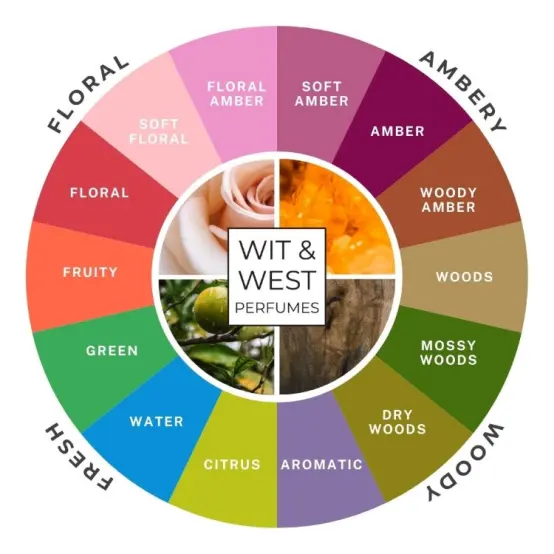
Las fragancias se dividen en varias familias:
- Cítricos – Fresco, energética (limón, naranja)
- Floral – Suave, romántico (rosa, Jazmín)
- Woody – Cálido, Elegante (Cedarwood, Sándalo)
- Oriental – Rich, Dulce (vainilla, Ámbar)
- Fresco – Limpio, Airy (Marina, Notas verdes)
Para ambientadores de papel, Los aromas cítricos y frescos están entre los más populares debido a su Difusión instantánea y atractivo masivo.
Cómo se aplica la fragancia al ambientador de papel
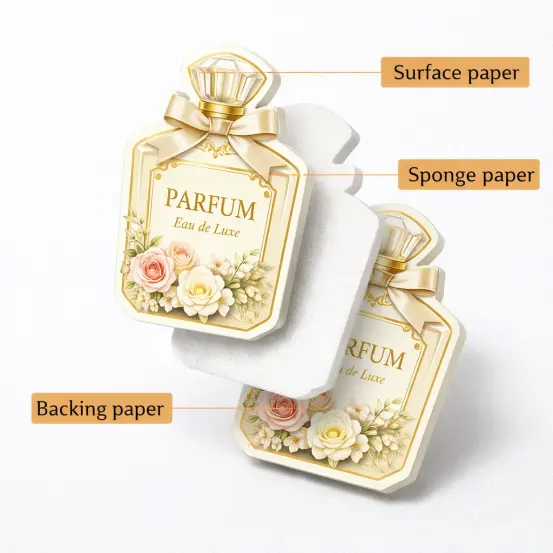
Los ambientadores de papel usan un Estructura de tres capas:
Papel + Esponja + Papel (Diseño de bocadillos)
- La capa central de esponja absorbe el aceite aromático
- Las capas exteriores de papel controlan la velocidad de liberación
- Garantiza Difusión de olores de larga duración (7–30 días)
Esta estructura se utiliza ampliamente en productos de fragancias OEM/ODM debido a su Eficiencia de costes y flexibilidad de personalización.
Cómo elegir la fragancia adecuada para tu mercado
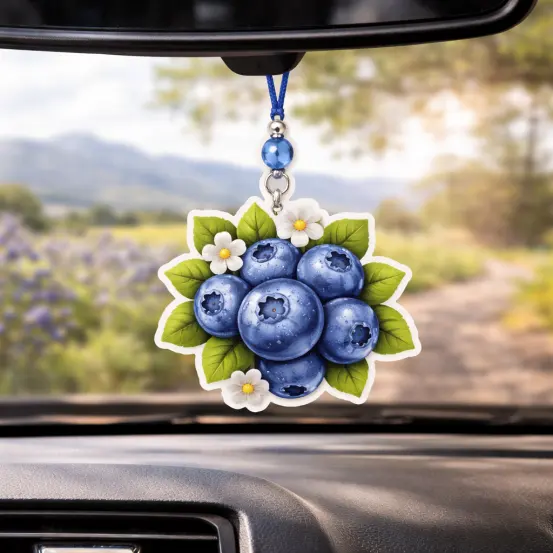
Diferentes mercados prefieren distintos perfiles de aroma:
- Europa & EE. UU. → Fresh, limpio, Aromas naturales
- Oriente Medio → Fuerte, Dulce, Fragancias a base de OUD
- Asia → Aromas florales y afrutados ligeros
Selección basada en la aplicación:
- Coche → Fuerte difusión (cítricos, Marina)
- Home → Soft & Relajante (lavanda, vainilla)
- Regalo → Único & Mezclas memorables
Tendencias futuras en la industria de las fragancias
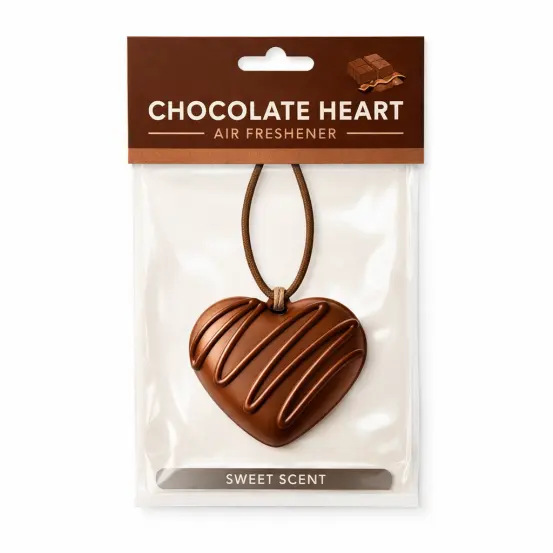
La industria de las fragancias está evolucionando rápidamente:
- Sostenible & Materiales ecológicos
- Marca personalizada de fragancias
- Desarrollo de fragancias asistido por IA
- Embalaje premium para mercados de regalos
Para marcas como AromaEase, Combinación Diseño + Aroma + Marca es la clave para destacar en el mercado global B2B.
✨ Conclusión
La perfumería es más que mezclar aromas: trata de crear Conexiones emocionales y experiencias sensoriales.
Ya sea que estés desarrollando un producto de marca propia o construyendo tu propia marca, Entender los conceptos básicos de las fragancias te ayudará a tomar mejores decisiones sobre productos y conectar con tus clientes a un nivel más profundo.


- Papel ambientador de coche de marca
- Ambientador de coche con aroma fresco
- Ambientador de coche de aroma fuerte
- Ambientador de fragancias para coches
- potenciador de aroma del interior del coche
- Ambientador para coche para mal olor
- Ambientadores perfumados para coches
- Ambientadores de papel personalizados en pequeñas cantidades
- ambientadores de papel personalizados con logotipo
- ambientadores de papel impresos con el logo
- ambientadores de papel para habitaciones de hotel
- Ambientadores personalizados
- Ambientador de papel OEM
- Ambientador de regalo magnético
- Papel eliminador de olores para humo
- ambientador ecológico de papel
- Ambientadores de papel
- Fragancia de coche
- Fragancia ecológica
- Embalaje sostenible
- Respuesta rápida
- Promociones ecológicas


Da vida a tu marca con ambientadores de papel personalizados.
- Materiales ecológicos
- Diseños personalizados
- Fragancia duradera
- Respuesta rápida
- Impresión de alta calidad
- Precios competitivos
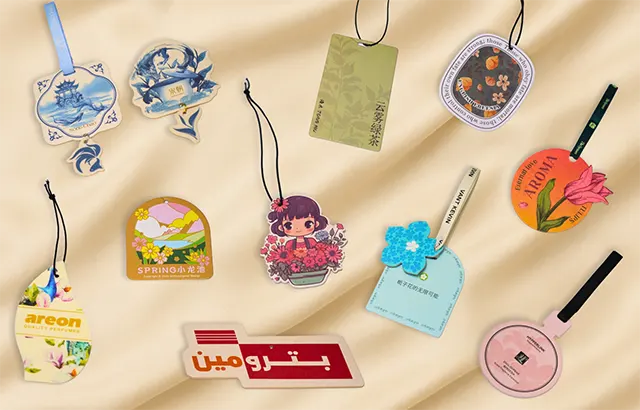

MUESTRA GRATIS