


Ambientador de coches al por mayor en Japón: La guía completa de obtención e importación B2B
Puedes conseguir ambientadores de coches al por mayor para Japón directamente de un fabricante chino de ambientadores de papel con MOQ de 100 Piezas, Impresión de etiquetas en japonés, Documentación de cumplimiento de IFRA, y entrega de carga marítima a Yokohama u Osaka en tan solo tan poco como 3 Para 7 Días. Bajo RCEP (Asociación Económica Regional Integral, con efecto en enero 2022), Los bienes de origen chino que califican se benefician de tipos de derechos de importación preferenciales cuando se importan a Japón, Reduciendo el coste total de tierras.
Por qué Japón es un mercado mayorista premium para ambientadores de coches
El mercado global de ambientadores de coches estaba valorado en USD 2.41 mil millones en 2025 y se prevé que alcance los USD 3.51 Billones por 2034 a una tasa compuesta anual compuesta (CAGR) de 4.37%. Japón genera una demanda constante a través de aproximadamente 80 Un millón de vehículos a motor registrados, una de las tasas de propiedad de coche per cápita más altas del mundo, y una cultura profundamente consolidada para el cuidado del automóvil y accesorios interiores automotrices.
Japón es reconocido internacionalmente por establecer los más altos estándares de calidad en accesorios para automóviles. Los compradores mayoristas y distribuidores minoristas japoneses requieren calidad de impresión de precisión, Embalaje en japonés, Documentación certificada de cumplimiento de fragancias, y la trazabilidad manufacturera — expectativas más exigentes que cualquier otro mercado de la región Asia-Pacífico.
Amazon Japón y Rakuten son los principales canales de distribución mayorista de ambientadores de marca en el mercado japonés. Los compradores mayoristas y los propietarios de marcas blancas que se abastecen de fábricas chinas y listan productos en estas plataformas necesitan una comprensión clara del coste total de la tierra, Arancel de importación, y requisitos de cumplimiento del producto antes de realizar su primer pedido.
Estándares de calidad y etiquetado de Japón: Lo que los compradores mayoristas deben ofrecer
El mercado minorista nacional de Japón tiene requisitos específicos de embalaje y cumplimiento que los compradores deben cumplir antes de que sus productos lleguen a las estanterías japonesas o a los listados de Amazon Japón. Comprender estos requisitos antes de que comience la producción evita costosas reimpresiones y retrasos en la importación.
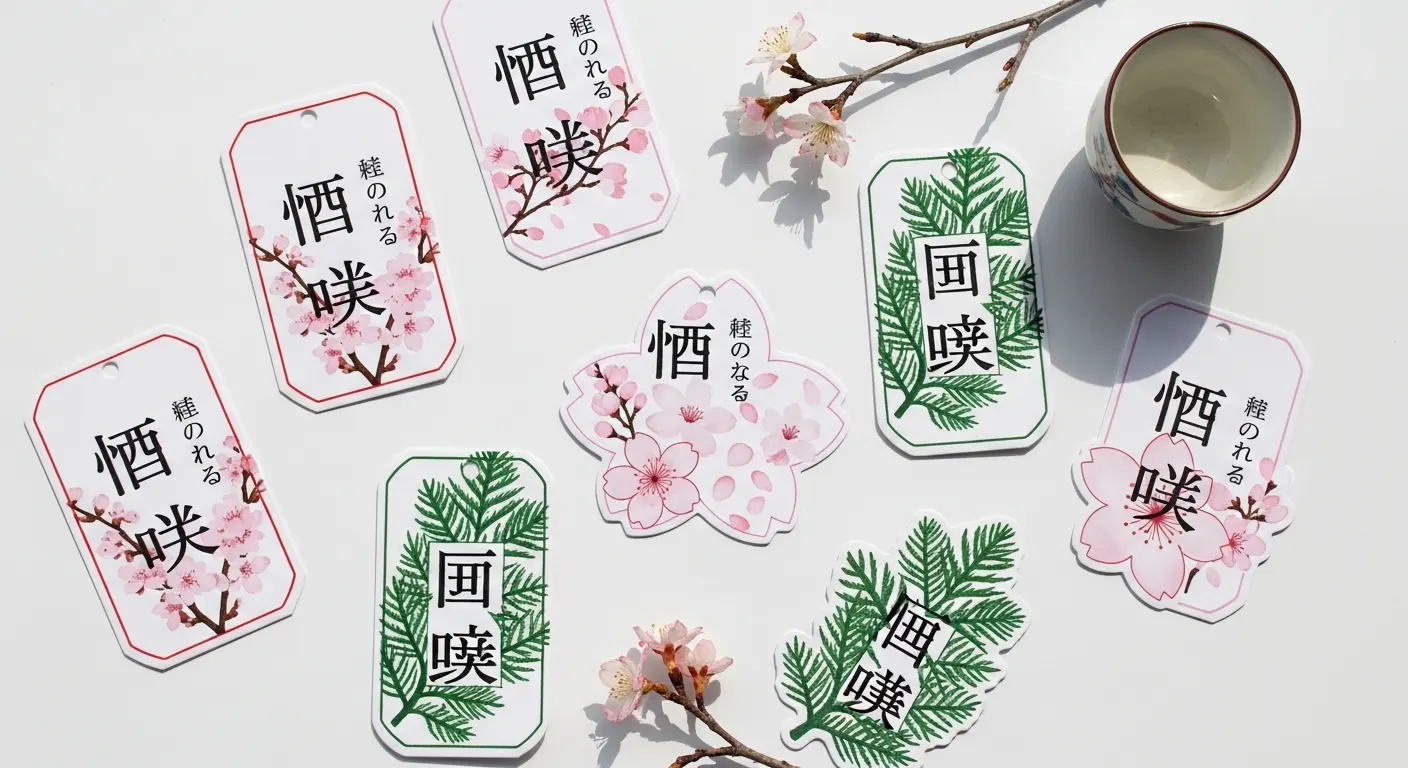
- Etiquetado en japonés. Los productos vendidos en el comercio minorista japonés deben llevar información en japonés, incluyendo 品名 (Nombre del producto), País de origen (País de origen), Índice (Contenido/volumen), y información sobre la seguridad de fragancias. Airfreshenerpaper.com admite la impresión completa de texto en japonés, incluyendo kanji, hiragana, y romaji en todos los formatos de embalaje — bolsas de polietileno, Tarjetas de cabecera, Insertos de cajas de venta al público, y la propia superficie del ambientador.
- Certificado de cumplimiento IFRA. El certificado de cumplimiento de la International Fragrance Association es cada vez más obligatorio por las cadenas minoristas japonesas, Vendedores de Amazon Japón, y equipos de adquisición de regalos corporativos como documento estándar de seguridad de fragancias. Confirma que todos los ingredientes de fragancia cumplen con los límites de concentración de seguridad reconocidos internacionalmente y está disponible en airfreshenerpaper.com bajo petición sin coste adicional.
- Informe REACH SVHC y MSDS. Las regulaciones japonesas de importación de productos químicos se alinean estrechamente con los estándares REACH de la UE. UN SVHC DE REACH (Sustancias de Muy Alta Preocupación) informe de cribado y una hoja de datos de seguridad de materiales (MSDS) para productos de fragancia, se requieren declaraciones comerciales de importación a través del sistema NACCS de la Aduana de Japón.
- Precisión de la calidad de impresión. Las expectativas japonesas de calidad de embalaje están entre las más exigentes a nivel mundial. Airfreshenerpaper.com utiliza impresión CMYK Pantone con color combinado con verificación de color en la producción para cumplir con los estándares de precisión de impresión que exigen los compradores mayoristas japoneses.
Arancel de importación de Japón, Impuesto al Consumo, y RCEP: Las cifras que necesitan los compradores mayoristas
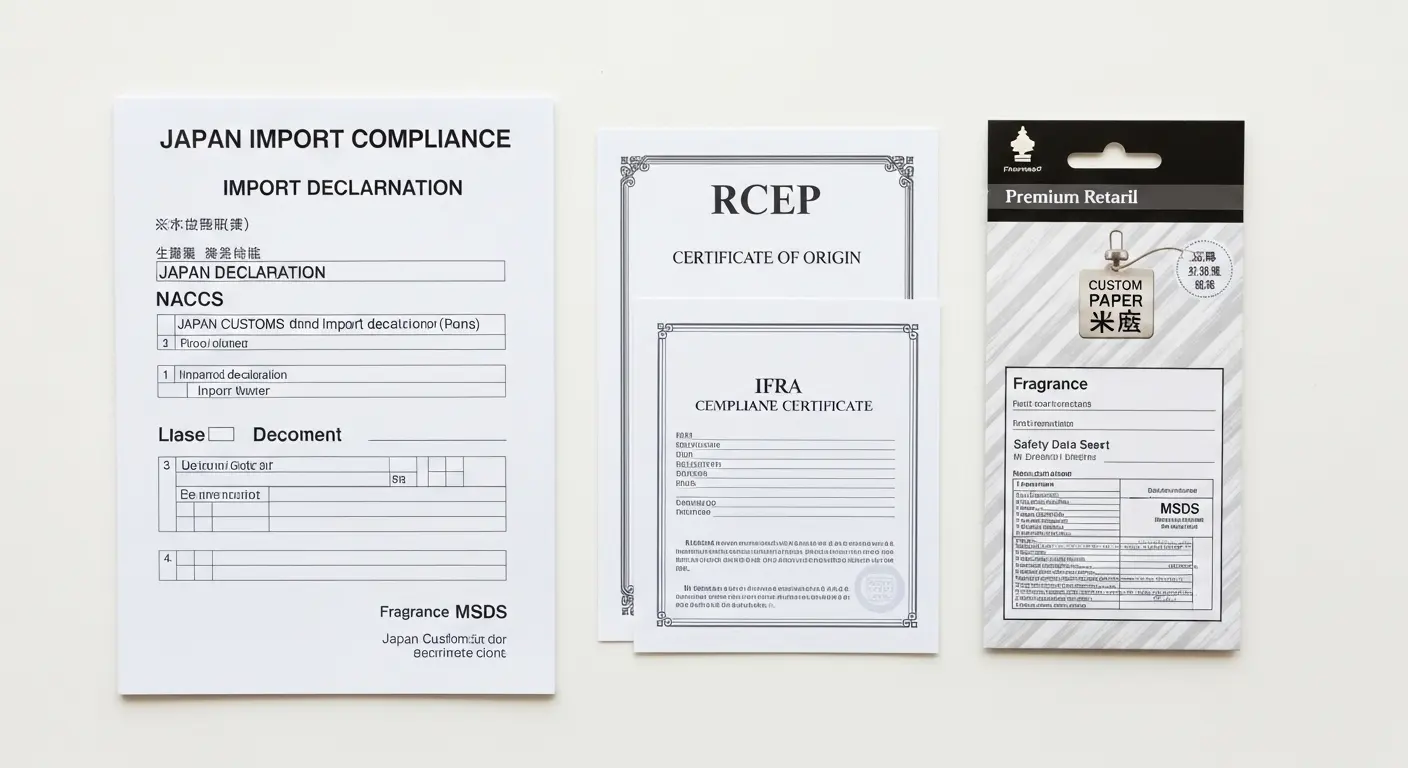
La estructura del impuesto a la importación de Japón para ambientadores mayoristas de automóviles implica tres componentes que todo comprador debe calcular antes de confirmar un pedido. Entender los tres previene sobrecostes inesperados en el puerto.
- Arancel de importación de Japón (HS 3307). Las preparaciones de fragancias y las preparaciones desodorizantes para uso en habitaciones y coche se clasifican bajo el código HS 3307 en Japón. La Aduana de Japón publica públicamente los tipos de derechos, y los compradores deben confirmar la tarifa exacta aplicable para su producto específico con un agente aduanero japonés autorizado antes de realizar un pedido de producción.
- Ventaja arancelaria preferencial del RCEP. Bajo la Asociación Económica Regional Integral (RCEP, con efecto en enero 2022), Los importadores japoneses pueden reclamar tipos de aranceles preferentes más bajos sobre los productos manufacturados chinos que cumplan los requisitos. Para reclamar esta tasa, la fábrica debe proporcionar un Certificado de Origen RCEP válido que confirme el origen de fabricación en China. Airfreshenerpaper.com proporciona este documento como estándar en cada envío con destino a Japón, y se entrega a la aduana de Japón en el momento de la entrada de importación.
- Impuesto al Consumo de Japón (JCT) en 10%. El impuesto al consumo de Japón en 10% Se aplica a todas las importaciones sujetas a impuestos, calculado en el CIF (Coste + Seguros + Mercancías) valor más cualquier arancele de importación aplicable. Para un envío con un valor CIF de JPY 500,000 y una 3% Obligación del JPY 15,000, el 10% El JCT sería JPY 51,500, elevando el total del impuesto a yenes 66,500. Esto debe incluirse en cada cálculo del coste de importación de Japón.
- Declaración NACCS de Aduanas de Japón. Todas las importaciones comerciales a Japón deben declararse a través de la NACCS de Aduanas de Japón (Sistema Unificado Automatizado de Carga y Puerto de Nippon) Sistema electrónico. Un agente aduanero japonés autorizado presenta la declaración de importación en nombre del importador. Los documentos requeridos incluyen la factura comercial, Lista de equipaje, Conocimiento de embarque, MSDS, y Certificado de Origen RCEP.
OEM, ODM, o Marca Privada: ¿Qué modelo se adapta a los compradores mayoristas de Japón??
Los compradores mayoristas japoneses buscan varios contextos de distribución diferentes: el comercio minorista de automóviles nacionales, Listados de marca propia de Amazon Japón y Rakuten, Programas de regalos corporativos, y distribución regional. El modelo de producción adecuado depende de si necesitas un producto totalmente propietario o una solución de marca rápida.
| Modelo | Qué significa | Mejor para | Tiempo de entrega típico |
|---|---|---|---|
| OEM (Fabricante de Equipos Originales) | La fábrica produce completamente según tus especificaciones: Fórmula de fragancia, Forma troquelada, Diseño de envases en japonés | Marcas o distribuidores japoneses consolidados que requieren un producto totalmente propietario para el comercio minorista nacional | 20 Para 30 Días |
| ODM (Fabricante del diseño original) | El producto existente de la fábrica con tu logo, Color, Texto japonés, y el aroma aplicado | Amazon Japón y vendedores de marca propia Rakuten buscan un rápido, Lanzamiento de marca de menor coste | 15 Para 20 Días |
| Marca propia | Producto de fábrica con tu marca japonesa y logotipo aplicados | Distribuidores que están creando una línea de productos mayoristas para automoción japonesa o venta de regalos | 10 Para 15 Días |
ODM es el modelo más práctico para los vendedores de Amazon Japón y Rakuten, que necesitan un producto completamente marcado con el menor coste de desarrollo y el tiempo de producción más rápido. OEM es la elección adecuada para marcas japonesas que requieren una fragancia exclusiva, una forma de troquelado patentada, y presentación de venta al público completamente en japonés. Los tres modelos están soportados a través deairfreshenerpaper.com con precios directos de fábrica, Maqueta digital gratuita, y documentación RCEP como estándar.
Por qué los compradores mayoristas en Japón eligen airfreshenerpaper.com
Airfreshenerpaper.com (Dongguan Aroma Ease Manufacture Co., Ltd.) es un Guangdong, Fabricante con sede en China especializado en ambientadores de papel personalizados y mayoristas para coches de papel para compradores B2B en más de 30 Países, incluyendo Japón. La fábrica suministra a distribuidores mayoristas japoneses, Amazon Japón y vendedores de marca propia Rakuten, Distribuidores de automóviles, y compradores de regalos corporativos directamente, sin margen intermedio y con soporte completo para la documentación del mercado japonés.
Para compradores japoneses en concreto, la fábrica ofrece impresión completa en japonés, incluyendo kanji, hiragana, y texto romaji en todos los formatos de embalaje, Impresión CMYK de color Pantone con verificación de calidad de producción, y perfiles de fragancias preferidos en Japón, incluyendo yuzu, Flor de cerezo sakura, Ciprés Hinoki, Té verde, y océano dulce. El papel certificado FSC está disponible para compradores japoneses con posicionamiento de marca sostenible. Explora todo el espectro deAmbientadores promocionales de papel personalizados para coches para revisar formas, Aromas, y formatos de embalaje adecuados para el mercado mayorista y de comercio electrónico japonés.
Cada pedido con destino a Japón incluye un certificado de cumplimiento IFRA, Informe REACH SVHC, MSDS, Certificación FSC cuando sea aplicable, y un Certificado de Origen RCEP para el arancel preferencial de importación de Japón. Todos los documentos están adaptados a los requisitos de declaración de importación de la NACCS de la Aduana de Japón. Transporte marítimo de Shanghái a Yokohama en 3 Para 5 días significa airfreshenerpaper.com ofrece una de las cadenas de suministro más rápidas de fábrica a almacén de Japón disponibles de cualquier fabricante chino.
Cómo pedir ambientadores de coches al por mayor desde China hasta Japón (Paso a paso)
- Define tus requisitos. Confirma tu cantidad objetivo, Forma (Troquelado personalizado, árbol, Tarjeta), Aroma de la 50+ biblioteca incluyendo perfiles preferidos por Japón (Yuzu, Sakura, Ciprés Hinoki, Té verde), Tipo de papel (pulpa virgen o certificada FSC), Formato de empaquetado, Contenido de texto en japonés para etiquetas y embalajes, y los documentos de cumplimiento requeridos (IFRA, MSDS, REACH SVHC, Certificado de Origen RCEP).
- Envía la obra de arte y solicita un presupuesto. Envía tu logo, Texto en japonés, Colores de la marca, y especificaciones completas para airfreshenerpaper.com. Recibirás una maqueta digital gratuita y un presupuesto detallado que incluye el precio unitario y un presupuesto de envío a Yokohama, Osaka, Kobe, o Nagoya dentro 24 Para 48 horas.
- Aprueba la prueba digital. Colocación de la obra de arte de la revisión, Precisión del texto japonés (Kanji, hiragana, romaji), Verificación de color Pantone, y distribución. Solicitar ajustes gratuitos antes de que se confirme la producción.
- Solicita una muestra física previa a la producción. Muy recomendable para todas las órdenes del mercado japonés. La fábrica produce una muestra física en 5 Para 7 días laborables para verificar la precisión de impresión, Personaje de Smell, Precisión en la forma de troquelado, y presentación del embalaje japonés antes de comprometerse con la producción en masa.
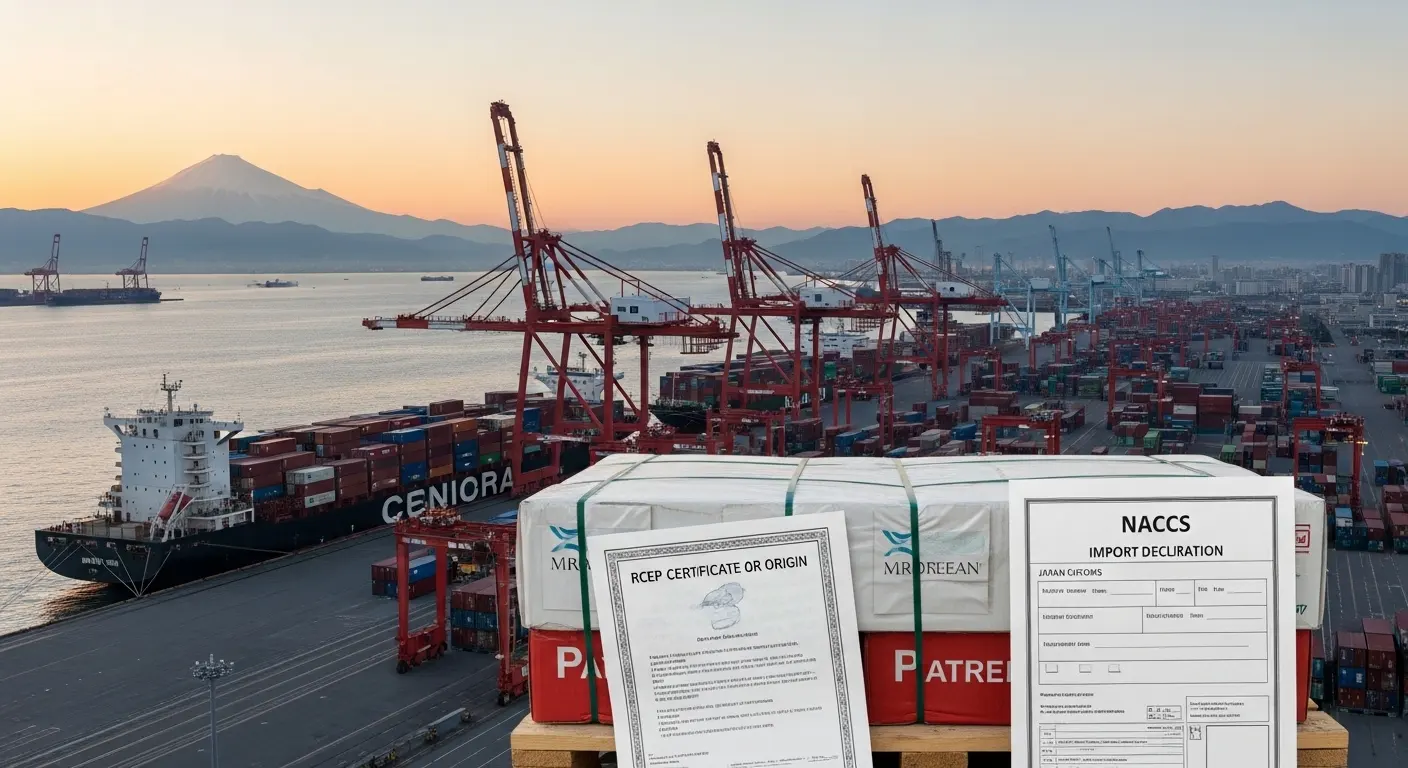
- Confirmar el Certificado de Origen del RCEP. La fábrica prepara un Certificado de Origen RCEP que confirma el origen de fabricación china. Tu agente aduanero japonés presenta este documento en la entrada de importación para reclamar el tipo preferencial de derechos RCEP, reduciendo el derecho aduanero pagadero en el puerto de Yokohama o Osaka.
- Salario 30% Depósito. La producción en masa comienza inmediatamente después de la confirmación del depósito. Los restantes 70% El saldo debe entregarse antes de que el envío salga de la fábrica.
- Producción y control de calidad. La producción en masa toma 15 Para 25 Días laborables. La fábrica comparte fotos de la producción y un vídeo de control de calidad para tu revisión y aprobación antes de completar el embalaje y la reserva de mercancías.
- Barco a Japón. FCL de transporte marítimo (20Contenedor lleno de pies) de Shanghái a Yokohama/Tokio 3 Para 5 días en USD 275. FCL (40ft) cuesta USD 450. De Shenzhen a Osaka o Kobe, El transporte es 5 Para 7 Días. LCL (menos que la carga del contenedor) de China a Japón toma 5 Para 10 días en USD 10 Para 80 por metro cúbico — la opción práctica para pedidos pequeños a primera. El transporte aéreo de mercancías a Tokio toma 1 Para 3 días en USD 1.50 por kilogramo para envíos de 1,000 kg o más. DHL o FedEx Express para muestras de toma 1 Para 2 Días.
- Despacho aduanero de Japón a través de NACCS. Tu agente aduanero japonés autorizado presenta la declaración de importación a través del sistema NACCS, paga el arancel de importación de Japón al tipo preferencial RCEP plus 10% JCT en CIF + Servicio, y presenta el Certificado de Origen de la MSDS y el RCEP. Autorización estándar para precisión, La documentación completa toma 1 Para 3 Días laborables.
- Recibir y distribuir. Tu stock mayorista llega a tu almacén en Japón listo para los listados de productos de Amazon Japón y Rakuten, Suministro mayorista a minoristas de automóviles, Distribución de regalos corporativos, o redes regionales de reventa en Japón.
Costes de envío a Japón, MOQ, y tiempos de entrega: Datos clave para compradores mayoristas
La siguiente tabla ofrece a los compradores mayoristas japoneses todos los datos necesarios para planificar su calendario de importación y calcular el coste total de desembarco antes de realizar un pedido de fábrica.
| Especificaciones | Detalles |
|---|---|
| Cantidad mínima de pedido (MOQ) | 100 Para 500 PCS |
| Tiempo de entrega de muestra | 5 Para 7 Días laborables |
| Tiempo de producción | 15 Para 25 Días laborables |
| FCL de transporte marítimo (20ft) Shanghái a Yokohama/Tokio | 3 Para 5 Días, USD 275 |
| FCL de transporte marítimo (40ft) Shanghái a Yokohama/Tokio | 3 Para 5 Días, USD 450 |
| Transporte marítimo FCL Shenzhen a Osaka/Kobe | 5 Para 7 Días |
| Carga marítima LCL China a Japón | 5 Para 10 Días, USD 10 a 80/cbm |
| Transporte aéreo de mercancías a Tokio (1,000kg ) | 1 Para 3 Días, 1,50 USD/kg |
| DHL/FedEx expreso a Japón | 1 Para 2 Días, USD 25 Para 50 (0.5 hasta 2kg) |
| Arancel de importación de Japón (HS 3307) | Confirma con el agente de aduanas; Tasa preferencial RCEP disponible |
| Impuesto al Consumo de Japón (JCT) Sobre importaciones | 10% en CIF + Servicio |
| Embalaje en japonés | Kanji, hiragana, Impresión de Romaji; contenido completo de etiquetas japonesas soportado |
| Certificaciones | IFRA, REACH SVHC, MSDS, FSC, Certificado de Origen RCEP |
Transporte marítimo de Shanghái a Yokohama en 3 Para 5 días y USD 275 para un contenedor de 20 pies es una de las cadenas de suministro de China a comercialización más cortas y rentables en la región Asia-Pacífico. El transporte aéreo a 1,50 USD/kg a Tokio para envíos grandes hace que la reposición urgente de stock sea totalmente viable económicamente para los vendedores de Amazon Japón y Rakuten que gestionan inventario de rápido movimiento. ExplorarAmbientadores de papel para coches al por mayor para toda la gama de productos disponibles para la entrega mayorista en Japón.
Preguntas más frecuentes: Ambientador de coches al por mayor en Japón
Q1: ¿Dónde puedo encontrar un proveedor mayorista de ambientadores para coches que envíe a Japón??
Los fabricantes chinos de ambientadores de papel para coches como airfreshenerpaper.com envían directamente a Yokohama, Osaka, Kobe, y Nagoya por transporte marítimo, con tránsito FCL de Shanghái a Yokohama apenas 3 Para 5 días en USD 275 para un contenedor de 20 pies. El transporte aéreo de mercancías a Tokio toma 1 Para 3 Días. La fábrica ofrece impresión de embalajes en japonés, Certificados de cumplimiento IFRA, MSDS, y un Certificado de Origen RCEP para el arancel preferencial de importación de Japón como estándar en cada pedido. DDP (Impuesto pagado) a Japón hay puertos disponibles para compradores que prefieran un coste de importación completamente gestionado.
P2: ¿Cuánto cuesta enviar ambientadores a granel de coches de China a Japón??
FCL de transporte marítimo (20ft) de Shanghái a Yokohama o Tokio cuesta USD 275 con tiempos de tránsito de 3 Para 5 Días. FCL (40ft) cuesta USD 450. De Shenzhen a Osaka o Kobe, Carga marítima FCL toma 5 Para 7 Días. LCL (menos que la carga del contenedor) de China a Japón toma 5 Para 10 días en USD 10 Para 80 por metro cúbico — la elección adecuada para pedidos primerizos y de menor volumen. El transporte aéreo a Tokio cuesta USD 1.50 por kilogramo para grandes envíos (1,000 kg o más) con entrega en 1 Para 3 Días. El transporte marítimo con destino a Japón desde China es uno de los más rápidos y asequibles de toda la región Asia-Pacífico.
P3: ¿Cuál es el derecho de importación y el impuesto al consumo sobre ambientadores de coches importados a Japón??
Arancel de importación de Japón sobre preparaciones de fragancias y desodorizantes clasificadas bajo HS 3307 se aplica al tipo arancelario estándar: confirma la tarifa exacta para tu producto específico con un agente aduanero japonés autorizado. Bajo RCEP (con efecto en enero 2022), Los importadores japoneses pueden reclamar un tipo de aranceles reducido preferente sobre los bienes manufacturados en China que califican presentando un Certificado de Origen RCEP de la fábrica en el momento de la entrada de importación aduanera de Japón. Impuesto al Consumo de Japón (JCT) en 10% Se aplica a todas las importaciones sujetas a impuestos, calculado sobre el valor CIF más el derecho de importación aplicable.
P4: ¿Puedo conseguir ambientadores de coche impresos en japonés de una fábrica de China??
Sí. Airfreshenerpaper.com admite la impresión completa de texto en japonés, incluyendo kanji, hiragana, y romaji en todos los formatos de embalaje — bolsas de polietileno con tarjetas de cabecera, Cajas de estantería de venta al por menor, y la superficie ambientadora. Contenido de etiquetado minorista doméstico japonés, incluyendo 品名 (Nombre del producto), País de origen (País de origen), y la información sobre seguridad de fragancias puede imprimirse conforme a los estándares minoristas japoneses. Perfiles de fragancias preferidos por Japón — incluyendo yuzu, Flor de cerezo sakura, Ciprés Hinoki, y té verde — están disponibles en la biblioteca estándar de fragancias.
P5: ¿Qué estándares de calidad y cumplimiento exigen los compradores japoneses para ambientadores de coche??
Los compradores mayoristas y distribuidores minoristas en Japón requieren certificados de cumplimiento de IFRA que confirmen la seguridad de los ingredientes de fragancias, Informes de cribado REACH SVHC, y documentos MSDS para todos los productos de fragancias — estos son necesarios para las declaraciones de importación NACCS de la Aduana de Japón. El comercio minorista doméstico japonés requiere etiquetado en japonés, incluyendo 品名, País de origen, y información sobre el contenido. La calidad de impresión debe cumplir con los estándares japoneses de precisión en el embalaje — producción CMYK con color compatible con Pantone y verificación de calidad a nivel de fábrica. Se requiere un Certificado de Origen RCEP para reclamar el tipo de arancel preferencial de importación en el puerto de Yokohama o Osaka.
Solicita una muestra gratuita y un presupuesto mayorista para Japón
Si estás buscandoambientadores personalizados para coches de papel para el mercado mayorista japonés — ya sea para Amazon Japón, Rakuten, Distribución minorista de automóviles, o regalos corporativos — airfreshenerpaper.com proporciona precios directos de fábrica, Maqueta digital gratuita dentro de 24 horas, soporte completo para impresión de embalajes en japonés, Perfiles de fragancias preferidos por Japón, Documentación de cumplimiento de IFRA y MSDS, y el Certificado de Origen RCEP para el arancel preferencial de importación de Japón. El transporte marítimo de Shanghái a Yokohama lleva 3 Para 5 Días. Envía tus especificaciones, Requisitos de texto en japonés, y la cantidad objetivo para recibir un presupuesto detallado de fábrica dentro de 24 horas. DDP (Impuesto pagado) a Yokohama, Osaka, y Kobe está disponible para compradores que prefieran un único coste de terreno todo incluido.


- Papel ambientador de coche de marca
- Ambientador de coche con aroma fresco
- Ambientador de coche de aroma fuerte
- Ambientador de fragancias para coches
- potenciador de aroma del interior del coche
- Ambientador para coche para mal olor
- Ambientadores perfumados para coches
- Ambientadores de papel personalizados en pequeñas cantidades
- ambientadores de papel personalizados con logotipo
- ambientadores de papel impresos con el logo
- ambientadores de papel para habitaciones de hotel
- Ambientadores personalizados
- Ambientador de papel OEM
- Ambientador de regalo magnético
- Papel eliminador de olores para humo
- ambientador ecológico de papel
- Ambientadores de papel
- Fragancia de coche
- Fragancia ecológica
- Embalaje sostenible
- Respuesta rápida
- Promociones ecológicas
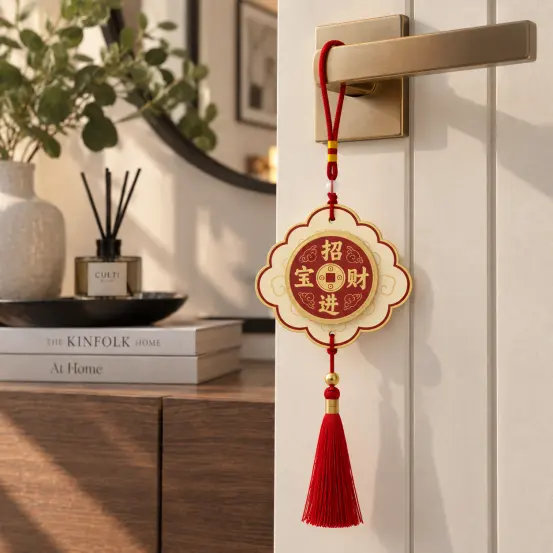
Da vida a tu marca con ambientadores de papel personalizados.
- Materiales ecológicos
- Diseños personalizados
- Fragancia duradera
- Respuesta rápida
- Impresión de alta calidad
- Precios competitivos
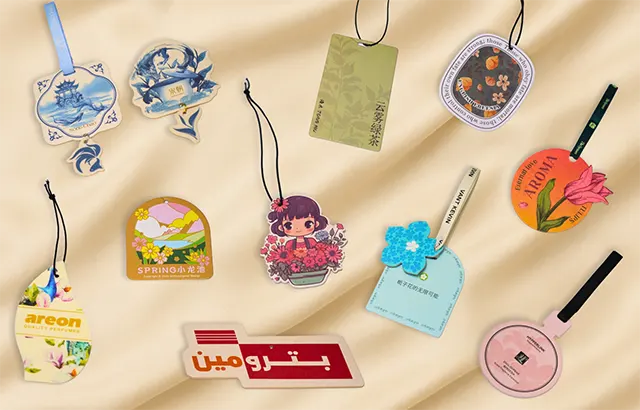

MUESTRA GRATIS